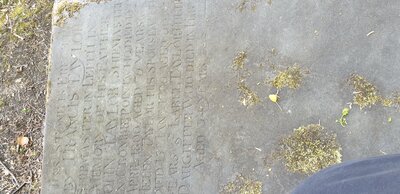
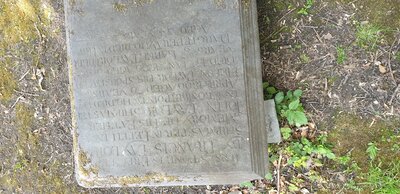
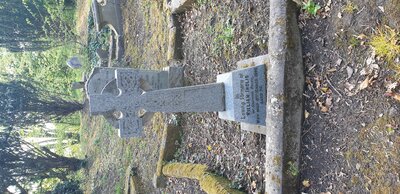
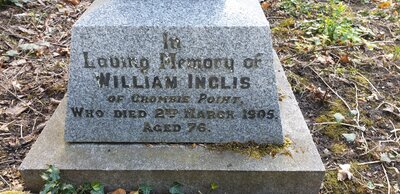
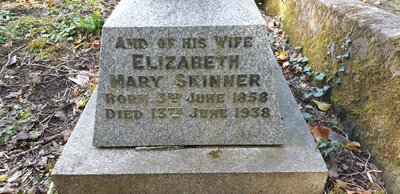
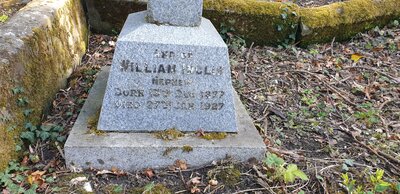
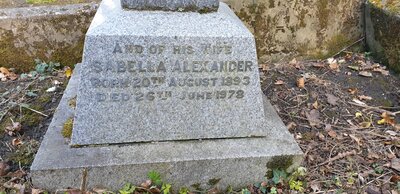
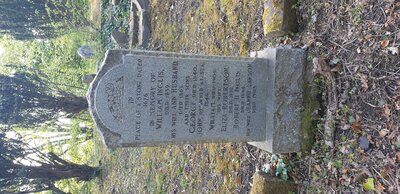
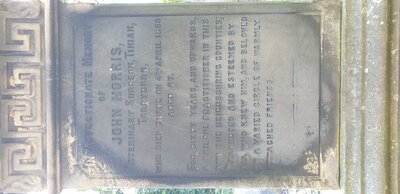
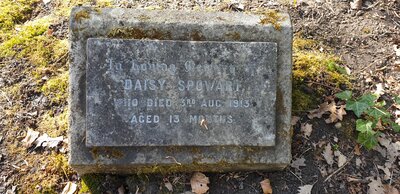
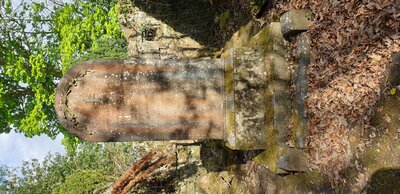
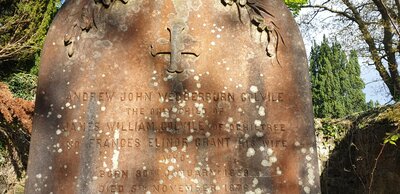
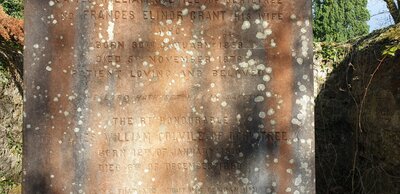
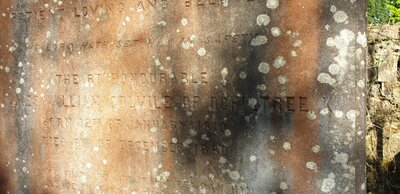
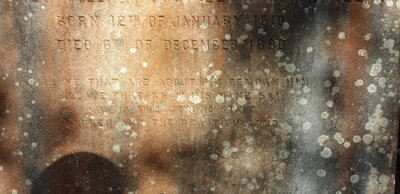
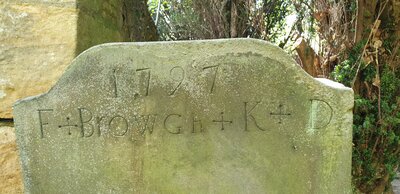
Before Craigflower House became a preparatory school in 1923, it was a distinguished private estate owned by prominent local families. One such owner, Sir James William Colvile, played an important role in the house's history. Upon his death in December 1880, he was laid to rest in Crombie Churchyard, linking the estate's pre-school history to this small but historically significant burial ground.
Crombie Churchyard Today
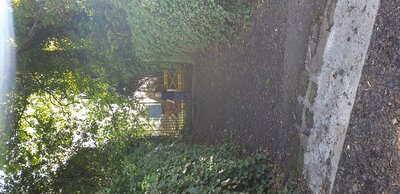
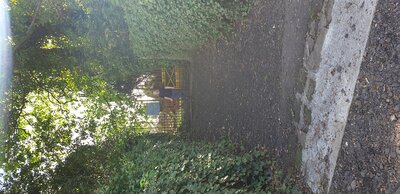
A photographic record of this historic burial ground and its connection to the Craigflower estate.
Sir James William Colvile & Craigflower
The Estate Owner
Sir James William Colvile was the owner of Craigflower House during the 19th century. Though records of his early life are limited, his stewardship of the estate during a period of significant change in Fife demonstrates the importance of Craigflower as a seat of local prominence.
Colvile's tenure predates the house's transformation into an educational institution by four decades. During his ownership, Craigflower remained what it had been designed to be by David Bryce in 1860—a substantial country house, commanding views of the River Forth and surrounded by extensive grounds.
Death and Legacy
Sir James William Colvile died in December 1880 at an advanced age. Following the customs of the time, he was laid to rest in Crombie Churchyard, a burial ground serving the local community in the region near Torryburn and Dunfermline.
His grave in Crombie Churchyard remains a tangible link to the estate's earlier history, connecting Craigflower House to the broader tapestry of local heritage and family lineage. While the house would later become known for educating generations of boys, it is important to remember that it was first and foremost a private residence, home to families like the Colviles.
From Estate to Institution
The period between Sir James William Colvile's death in 1880 and the founding of Craigflower Preparatory School in 1923 represents a gap in our detailed historical record. It was during this era that the house changed hands, the estate's purpose evolved, and the property was prepared for its role as an educational establishment.
The founding of the school in 1923 by F.G. Wailes marked a dramatic transformation. What had been a private country house became a living community of students and staff, filled with the energy of boys at formative stages of their education. Yet the building itself—David Bryce's elegant structure from 1860—retained the character and dignity of its origins.
Craigflower's journey from private estate to preparatory school to modern residential development speaks to the adaptability and enduring appeal of good architecture and well-situated land. Each chapter of the building's history has left its mark, and each has contributed to the rich heritage we preserve today.
Crombie Churchyard Today
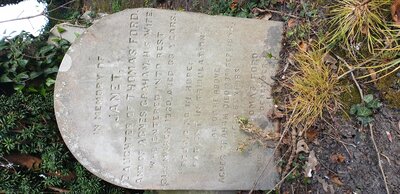
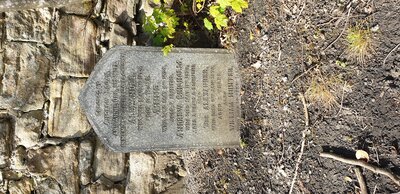
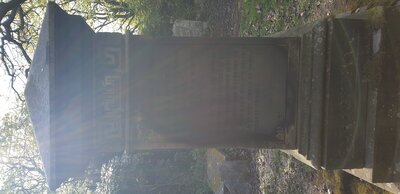
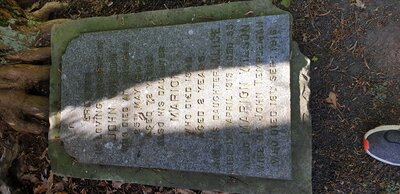
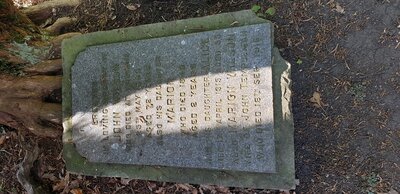
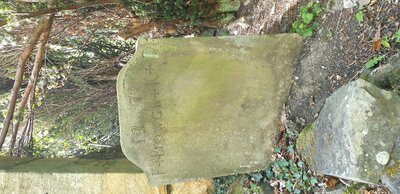
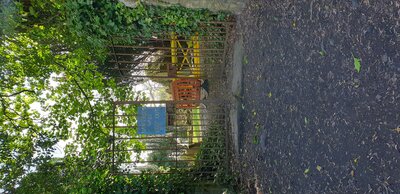
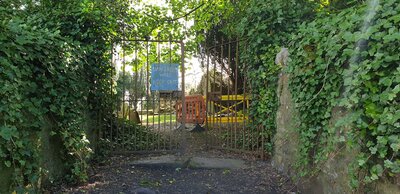
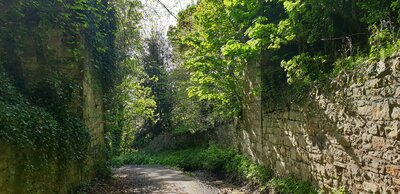
Crombie Churchyard remains an active burial ground and a place of local significance. The graves interred there span centuries of local history, representing families with deep roots in Fife. Sir James William Colvile's grave, though now unmarked or difficult to locate in historical records, is part of this community of the dead—a small but genuine connection between the Craigflower Estate and the broader life of the region.
For those interested in Craigflower's full history, a visit to Crombie Churchyard offers an opportunity to reflect on the estate's pre-school era and the people who shaped it before it became known to generations of boys as their preparatory school.
Research Notes
If you have information about Sir James William Colvile, Crombie Churchyard, or the history of Craigflower House during the 1880–1923 period, we would welcome hearing from you. Records from this era are sometimes scattered across local archives, family collections, and church records.
Please get in touch if you have materials or memories that could help us fill in the gaps of Craigflower's pre-school history.